Enterthedeals
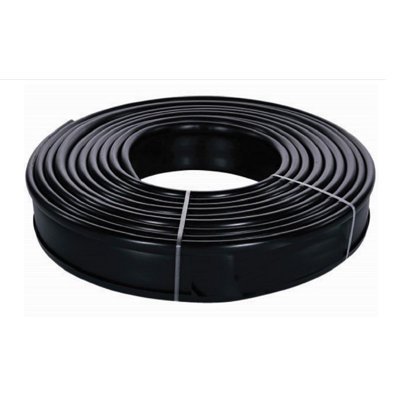
 Valley View Lawn Edging Solution
Valley View Lawn Edging Review: Durability, Installation & Value
Introduction
This review covers the “Valley View Lawn Edging” (listed price: $37.99). It is written to help homeowners and yard-care enthusiasts evaluate whether this edging solution is a good fit for their landscaping needs. The review summarizes the product overview, physical characteristics, likely performance in common scenarios, installation tips, pros and cons, and a final recommendation.
Product Overview
– Product name: Valley View Lawn Edging
– Listed price: $37.99
– Manufacturer/brand: Valley View (as listed in the product title)
– Product category: Landscape / garden edging
– Intended use: Create a clean border between lawn and beds, pathways or driveways; restrain mulch, soil and gravel; prevent grass and weeds from spreading into planting areas and give a finished appearance to landscape beds.
Note: The listing provided for this review included only the product name and price. Material composition, exact dimensions, unit length, mounting method and other specifications were not supplied. Where specifics are absent, observations below highlight typical features of common Valley View-style edging and sensible expectations. Buyers should confirm the precise specifications on the retailer or manufacturer page before purchasing.
Appearance, Materials & Design
Without explicit spec data, the exact material and finish of this Valley View edging cannot be confirmed. Lawn edging products under this style are commonly offered in a few variants:
- Flexible recycled or high-density plastic strips (often black or brown), designed to bend around curves.
- Corrugated or scalloped decorative plastic with integrated anchor stakes for DIY installations.
- Galvanized or powder-coated steel profiles for a low-profile, durable, long-lasting edge.
Aesthetically, these edging solutions typically present a neat, low-profile line that visually separates turf from beds. Design features buyers often see include interlocking sections for longer runs, integrated or separate ground stakes, and a top lip or decorative scallop to create a finished look. Confirm the exact finish and color with the vendor if matching to a specific landscape palette matters.
Key Features & Specifications (Expected / To Verify)
- Price: $37.99 (per listed unit — verify whether this is per foot, per section or a multi-piece kit).
- Material: Not specified in the listing; could be plastic, recycled plastic, rubber or metal.
- Length per unit: Not specified — typical retail kits range from 10 to 50 feet per package; check product page for exact run length.
- Mounting: Usually includes stakes or is designed to be placed in a shallow trench and backfilled; confirm whether stakes are included.
- Flexibility: If plastic, likely flexible enough for curves; if metal, usually rigid and better for straight runs or tight curves with proper bending tools.
- Durability: Plastic options resist rust but can degrade in prolonged UV exposure; metal options resist wear from mowing but can corrode if not coated.
- Compatibility: Intended for typical residential lawns and beds; not designed as a vehicular curb or for heavy equipment traffic unless specified as heavy-duty steel edging.
Experience & Performance in Common Scenarios
Note: The following outlines expected performance based on the product type implied by the name and on common user experiences for similar edging products. Verify details for the exact Valley View model you purchase.
1) Installing a New Flower Bed
– Preparation: Mark the desired line with spray paint or a string line. A shallow trench (2–4 inches deep for many plastic and metal edgings) is usually sufficient. For steel edging, a slightly deeper trench and compacted base are recommended for stability.
– Installation: Flexible plastic edging can be pressed into the trench and secured with stakes. Interlocking sections simplify running long lengths. Expect a single person to complete short runs; longer runs are easier with a helper.
– Performance: Properly installed edging keeps mulch and soil contained and reduces grass encroachment. It creates a clean mowing edge that reduces trimming time.
2) Curved Borders and Complex Shapes
– Flexible plastic edging performs best for sweeping curves and organic bed shapes. Rigid steel is more challenging to curve without tools and experience.
– For tight-radius curves, check whether the unit states “flexible” or “bendable”; otherwise, use removable pins or multiple short sections to follow the line.
3) High-Traffic or Mower-Intensive Yards
– If the product is plastic, expect satisfactory performance when used as a border only — repeated mower impacts, snow-blower contact or foot traffic on the edging may cause deformation or cracked stakes over time.
– For frequent contact or drive-over areas, heavy-duty steel edging is typically a better long-term choice.
4) Rocky or Compacted Soil
– Installing any edging in rocky or compacted clay can be more difficult. Pre-soaking the trench line, using a trenching tool or removing rocks first will help. Stakes may bend or break under heavy hammering—consider a mallet and careful alignment.
5) Winter Freeze/Thaw and Long-Term Durability
– Plastic edging resists rust and can survive freeze/thaw cycles, but if thin or low-quality it may become brittle and crack in very cold climates. Coated steel holds up well but inspect for chips in powder coat that could lead to rust over time.
Installation Tips
- Measure and lay out your line before cutting or committing to the run.
- Use a garden knife or small trenching shovel to create a uniform trench for a clean, consistent installation.
- Start from the highest point of your run (if applicable) and work downhill for better alignment and drainage.
- Drive stakes firmly into undisturbed soil; use a rubber mallet to avoid damaging edging pieces.
- Backfill and tamp soil on the lawn side if needed to lock the edging in place.
- Leave a small gap between the top of the edging and the top of the soil to create a mowing strip and avoid clogging with debris.
Maintenance
- Inspect stakes and seams annually and re-secure any loose sections.
- Trim grass along the edge rather than driving mower tires over it to prolong life.
- For metal edging, touch up chips in the finish to prevent rust.
- Replace damaged sections promptly to maintain a consistent look and continued containment of mulch/soil.
Pros and Cons
Pros
- Affordable price point at $37.99 for a typical consumer-grade edging solution (likely good value for small-to-medium projects).
- Creates a clean, finished border that improves curb appeal and reduces maintenance time.
- Installation is usually straightforward for DIYers—no heavy tools required for plastic or moderate steel systems.
- Low-profile designs do not interfere with mowing when installed correctly.
- Plastic variants resist rust and rot; recycled plastics are environmentally friendly options if that is the material used.
Cons
- Key product specifics (material, length, mounting hardware included) are not provided in the listing used for this review — buyers must verify before purchasing.
- If the unit is plastic and thin, it may be less durable under heavy traffic or frequent equipment contact.
- Stakes included with some kits can be flimsy and may bend in rocky or compacted soils.
- For long runs, multiple kits/sections may be required, increasing overall cost and potential for visible seams.
- Not a substitute for structural curbing where vehicular loads or heavy erosion control are needed (unless explicitly sold as heavy-duty steel).
Conclusion
The Valley View Lawn Edging listed at $37.99 appears to be an economical solution for homeowners who want a tidy, DIY-friendly border between lawn and planting areas. The product category is useful for reducing maintenance, improving bed definition, and containing mulch or gravel.
Because the provided listing contains only the product title and price, it is important to confirm the exact material, unit length, thickness, mounting method, and whether stakes or connectors are included. If the unit is a common flexible/recycled plastic edging, it will likely offer good value for light-to-moderate residential use. If you need heavy-duty, long-life performance in high-traffic areas or vehicular applications, look for a clearly specified steel edging solution with a proven coating and thicker profile.
Final recommendation: Consider the Valley View Lawn Edging as a cost-effective option for standard bed borders and decorative edging projects, but verify the product details before purchase and select a heavy-duty steel alternative if maximum durability is required.
Note: This review is based on the product title and price provided plus common characteristics of similar edging products. Confirm the exact specifications with the seller/manufacturer for an accurate fit to your project.