Enterthedeals
 High Efficiency Ductless Mini Split Air Conditioner

Introduction
This review covers the “High Efficiency Ductless Mini Split Air Conditioner” listed as model T7C20S-H248-Cass — a 48,000 BTU (4 ton) ceiling cassette ductless mini-split heat pump. The unit is advertised with 48,000 BTU cooling and 48,000 BTU heating capacity, a 19.5 SEER rating, and the ability to condition areas up to roughly 2,400 ft². The listed price is $3,199. This product sits in the ductless mini-split/heat pump category and is intended for whole-room or whole-floor conditioning in large residential spaces, open-plan homes, offices, or light commercial applications where a ceiling cassette style indoor unit is preferred.
Product Overview
– Product: 48000 BTU CEILING CASSETTE Ductless Air Conditioner MINI Split Heat Pump / 4 TON
– Model: T7C20S-H248-Cass (as listed)
– Cooling capacity: 48,000 BTU
– Heating capacity: 48,000 BTU (heat pump mode)
– Efficiency: 19.5 SEER
– Suggested coverage: up to ~2,400 ft²
– Price: $3,199
Appearance and Design
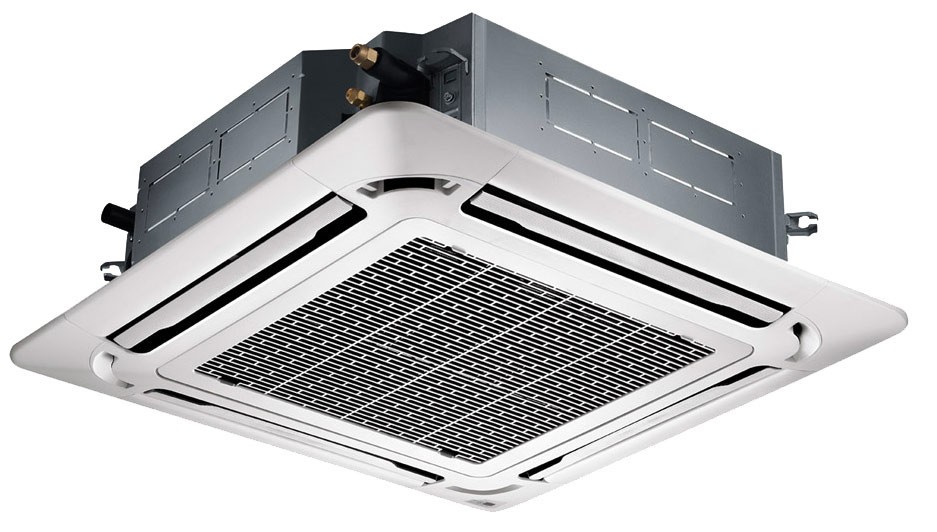
The unit is a ceiling cassette type indoor unit paired with an outdoor compressor/condenser. Ceiling cassette mini-splits typically have a low-profile square panel that recesses into a dropped ceiling or a framed ceiling opening with a central grille and four-way louvers that distribute air evenly. The visible face is usually a clean, white finish (often ABS or polypropylene plastic) intended to blend with most ceilings and interior decors.
Unique design elements of cassette units generally include:
- Centralized air outlet with multi-directional louvers for wide, even air distribution.
- Compact recessed footprint so the unit is unobtrusive compared with wall-mounted units.
- Servicing access typically via a drop-down panel for filter cleaning and maintenance.
Note: Manufacturer-specific trim, grille styling, or integrated LED indicators are not specified in the listing; the description above reflects the standard ceiling-cassette aesthetic and common materials used in this product category.
Key Features & Specifications
Confirmed specifications (from the listing)
- 48,000 BTU cooling capacity
- 48,000 BTU heating capacity (heat pump)
- 4 ton nominal capacity
- 19.5 SEER energy efficiency rating
- Suggested service area: up to ~2,400 ft²
- Model: T7C20S-H248-Cass
- Price: $3,199 (unit price as listed)
Typical/likely features (not explicitly listed but common to this class)
- Ceiling-cassette indoor unit + outdoor condenser (split-system)
- Multi-speed fan(s) and adjustable airflow louvers
- Remote control and possibly wired thermostat options
- Inverter-driven compressor (common in higher-SEER units)
- Automatic defrost in heat mode
- Filtration accessible via drop-down panel
- Condensate drain connection and internal drain pan
Before purchase, confirm these optional features with the vendor and check the included accessories (remote, wiring harness, mounting components, refrigerant charge details, and warranty).
Using the Product — Real-World Scenarios
Large Open-Plan Residential Space (Living / Dining across ~1,200–2,400 ft²)
With a 48,000 BTU capacity and 19.5 SEER efficiency, this cassette unit is sized for large open areas or combining multiple connected rooms. In cooling mode the unit should bring large open spaces to a comfortable temperature relatively quickly compared with smaller wall units. The four-way cassette distribution is particularly helpful in avoiding hot/cold spots by pushing conditioned air evenly in multiple directions.
Whole-Floor or Light Commercial Use (Offices, Retail)
The ceiling cassette is well suited to situations where wall space is limited or where a discreet ceiling installation is preferred for aesthetics. It can handle greater loads from moderate occupancy and lighting loads typical of small business spaces, but ensure the ductless capacity, load calculations, and zoning meet the specific commercial code and usage patterns.
Heating Performance in Cold Weather
As a heat pump rated at 48,000 BTU, the unit provides both cooling and heating. Heat pump performance in very cold climates depends on the outdoor unit design and low‑ambient operation capability (not specified in the listing). For mild to moderate cold climates it will be an efficient heating source; for very cold regions, verify low‑ambient heating specs or consider a supplemental heat source.
Energy Use and Operating Costs
The 19.5 SEER rating is relatively high for a unit of this capacity, indicating above-average energy efficiency during cooling seasons. Higher SEER reduces running costs versus lower-SEER alternatives, especially for continuous or heavy use. Exact energy costs will vary based on runtime, climate, electricity rates, and system installation quality.
Installation and Maintenance Considerations
- Installation complexity: Ceiling cassette installations require a recessed ceiling space and more involved mounting than wall‑mounted mini‑splits. Expect professional installation for refrigerant lines, electrical hookup (likely 240V service), and proper condensate drainage.
- Access: The cassette panel should allow reasonably easy access to filters for periodic cleaning; confirm panel design.
- Serviceability: Check vendor support, parts availability, and warranty terms before purchase.
Pros and Cons
Pros
- High capacity — 48,000 BTU (4 ton) suited for large spaces and whole-floor conditioning.
- 19.5 SEER — above-average energy efficiency for lower operating costs in cooling mode.
- Ceiling cassette form factor — discreet, even air distribution, no requirement for wall‑space installation.
- Heat pump functionality — both cooling and heating in one system simplifies HVAC needs.
- Price ($3,199) is competitive for a 4-ton split system when compared to some commercial packaged systems, though total installed cost will be higher once labor and materials are included.
Cons
- Manufacturer and warranty details are not specified in the listing — buyers should confirm warranty coverage, parts, and service support.
- Installation is more complex and typically more expensive than wall-mounted mini‑splits (requires ceiling recess, drain routing, and professional refrigerant handling).
- Listing does not specify noise levels, low-ambient performance (for very cold climates), or whether an inverter compressor is included — these are important performance considerations.
- No details provided about included controls, filters, or accessory options — you should confirm what is included in the price.
Conclusion
The 48000 BTU ceiling cassette ductless mini-split (model T7C20S-H248-Cass) presents a strong option for buyers who need high-capacity, efficient cooling and heating in large open residential or light commercial spaces. With a 19.5 SEER rating and 48,000 BTU capacity, it should deliver solid performance and reasonable operating costs for the right application. The ceiling cassette format offers a clean, unobtrusive installation and even airflow distribution that many buyers prefer over wall-mounted units.
However, the product listing lacks several important details — notably manufacturer/warranty specifics, explicit feature list (controls, inverter technology, sound ratings), and low-ambient heating capability. Installation will require professional HVAC service and could add substantially to the purchase price. For prospective buyers: confirm detailed technical specs, warranty terms, included accessories, and have a qualified HVAC contractor perform a load calculation and provide an installation quote before purchasing.
Overall impression: a potentially very capable and efficient 4-ton ceiling cassette heat pump for large spaces, provided you verify the missing details and accept the higher complexity of cassette installation.
Quick Buyer Checklist
- Confirm manufacturer name, warranty terms, and local service support.
- Verify included accessories (remote, control panel, drain fittings) and whether the unit is inverter-driven.
- Have a professional HVAC contractor confirm sizing with a Manual J load calculation.
- Obtain a full installation quote (ceiling framing, electrical, refrigerant lines, condensate handling).
- Check low-ambient heating specs if you live in a very cold climate.